
1. What problem are you trying to solve?
A slow startup, limited storage, weak gaming performance and physical damage are different problems. Start with the actual complaint rather than assuming the answer is “new computer.”
2. Is the machine otherwise dependable?
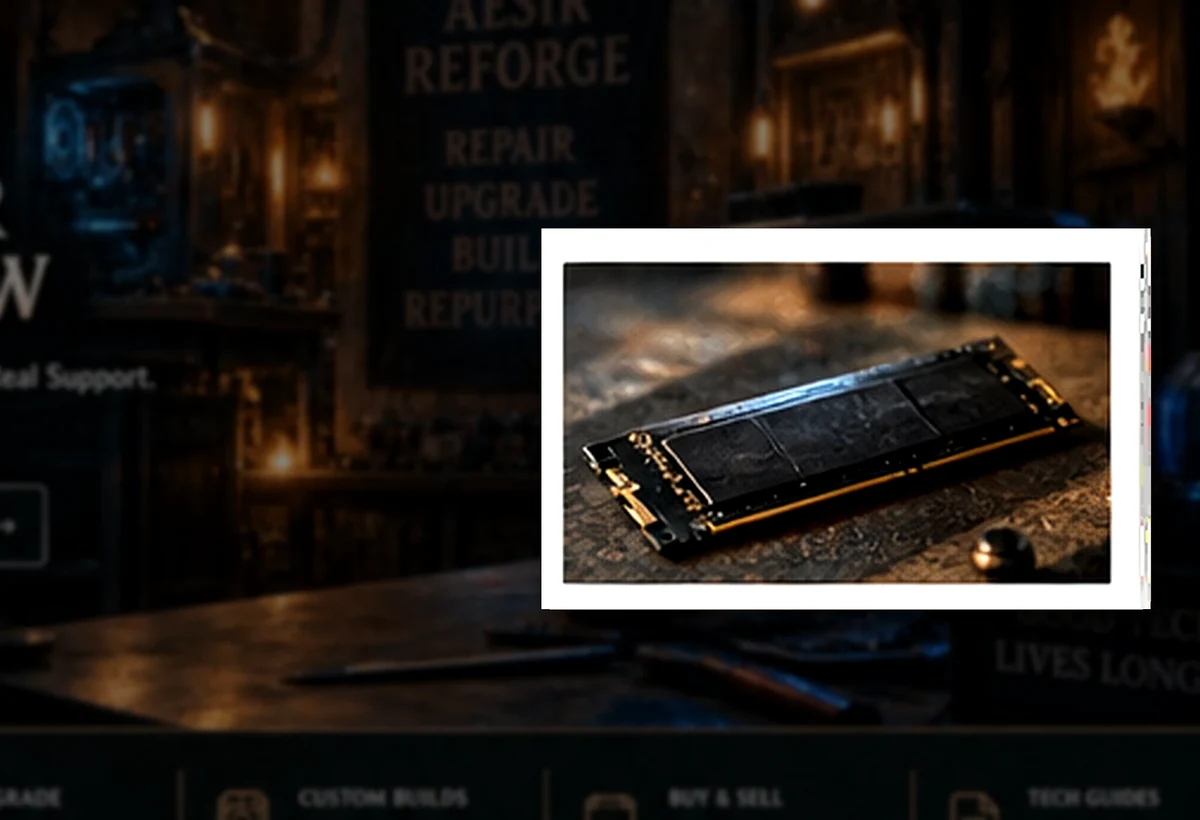
A compatible SSD or memory upgrade can transform a healthy machine. Repeated board faults, severe damage or several failing systems may change the economics.
3. Can the operating system and software still meet the need?
Useful hardware is not enough when required software, security support or platform compatibility is gone. That limitation should be stated plainly.
4. What is the complete cost?
Compare the part, labor, migration, accessories, risk and time—not only the sticker price of one component.
5. What would a replacement actually improve?
A replacement should solve the stated problem and bring a meaningful gain. Buying a different machine with the same weak points is not progress.
6. What do you value most?
Budget, familiarity, portability, repairability, performance, noise and future upgrades can point to different answers. The right plan is the one that fits the real use.